Apr 17, 2026
Real-Time Video Insights: Unleashing Streaming RAG for Dynamic Analysis
Explore how Streaming RAG enhances real-time video analysis, combining retrieval-augmented generation with streaming data for dynamic applications.
Transforming Video Analysis with Streaming RAG
In a world where the global video streaming market is projected to reach $149.34 billion by 2026, the demand for innovative video analysis solutions is more pressing than ever. The sheer volume of data generated is staggering, with more data expected to be created in the next three years than in the past thirty. This explosion of information presents both an opportunity and a challenge for AI developers and video engineers. The core challenge lies in efficiently analyzing this data in real-time to extract actionable insights.
Real-time video analytics can significantly enhance operational efficiency, improving it by up to 30% across various industries. However, traditional methods often fall short in handling the dynamic nature of streaming data. This is where Streaming RAG (Retrieval-Augmented Generation) comes into play, offering a robust solution by integrating retrieval mechanisms with real-time data processing. By leveraging this innovative approach, developers can build dynamic, context-aware video applications that adapt to rapidly changing content.
The potential of Streaming RAG is immense, but understanding its architecture and benefits is crucial for successful implementation. This article delves into the intricacies of Streaming RAG, exploring its architecture, benefits, and potential use cases. By the end, you'll have a comprehensive understanding of how this technology can revolutionize video analysis.
Challenges in Real-Time Video Analysis
The first major challenge in real-time video analysis is the sheer volume of data. With the amount of data expected to surpass the total created in the past thirty years, traditional systems struggle to keep up. This data deluge can lead to bottlenecks, slowing down processing times and reducing the effectiveness of video analytics.
Another significant pain point is the need for context-aware analysis. As Andrew Ng highlighted, real-time AI applications must adapt to rapidly changing video content. Without the ability to dynamically adjust to new information, video analytics systems can miss critical insights, leading to suboptimal decision-making.
Latency is another critical issue. In industries where real-time decision-making is crucial, such as security and surveillance, even minor delays can have significant consequences. Traditional video analytics systems often suffer from high latency, which can compromise the timeliness and accuracy of insights.
Finally, the integration of real-time data with existing systems poses a challenge. According to Gartner, organizations that successfully integrate real-time data can see a 10-20% improvement in key business metrics. However, achieving seamless integration requires sophisticated technology and expertise, which many organizations lack.
Understanding Streaming RAG Technology
Retrieval-Augmented Generation (RAG)
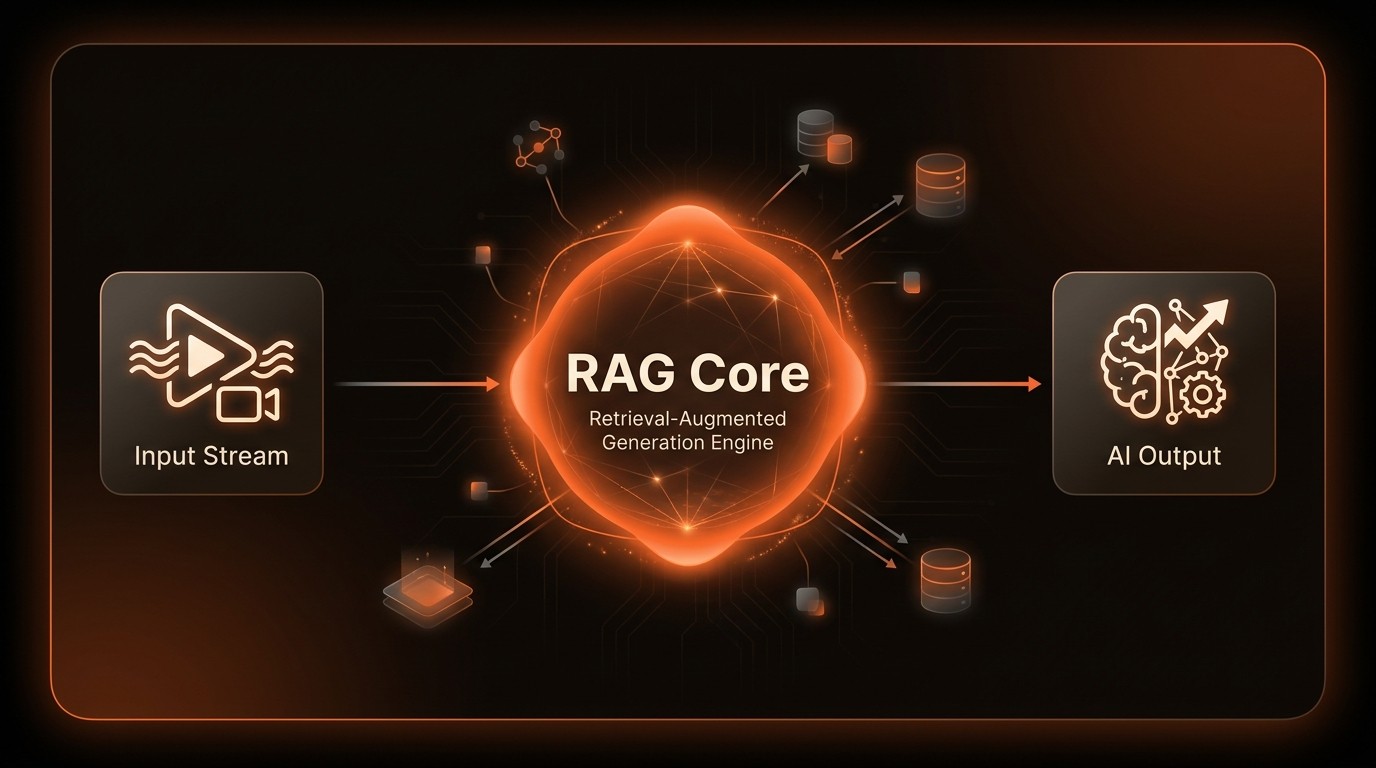
Retrieval-Augmented Generation is a cutting-edge approach that combines retrieval mechanisms with generative models to enhance data processing. By retrieving relevant information from large datasets, RAG systems can generate more accurate and contextually relevant outputs. This is particularly useful in video analytics, where context is key to understanding and interpreting video content.
Real-Time Computing
Real-time computing is essential for processing streaming data efficiently. It involves systems that can process data as it arrives, ensuring timely insights and decision-making. In the context of video analytics, real-time computing enables systems to analyze video streams on-the-fly, providing immediate feedback and insights.
Vector Databases
A vector database is crucial for managing and retrieving large-scale video data efficiently. These databases store data in a format that allows for fast retrieval and processing, making them ideal for real-time video analytics. By leveraging vector databases, systems can quickly access and analyze relevant video data, enhancing the speed and accuracy of insights.
Data Streams
Data streams are continuous flows of data that require real-time processing. In video analytics, data streams are used to process video content as it is captured, enabling immediate analysis and insights. This is essential for applications that require real-time decision-making, such as security and surveillance systems.
By the Numbers
Here's what the data reveals:
Metric | Current State | Impact |
|---|---|---|
Global video streaming market | $149.34 billion by 2026 | Significant growth potential |
Data creation | More in next 3 years than past 30 years | Increased data processing demands |
Operational efficiency | 30% improvement with real-time analytics | Enhanced productivity |
Business metrics improvement | 10-20% with real-time data integration | Better decision-making |
AI in video analytics market | $23.9 billion by 2027 | Growing investment in AI technologies |
Unleashing the Power of Streaming RAG
Enhanced Data Retrieval
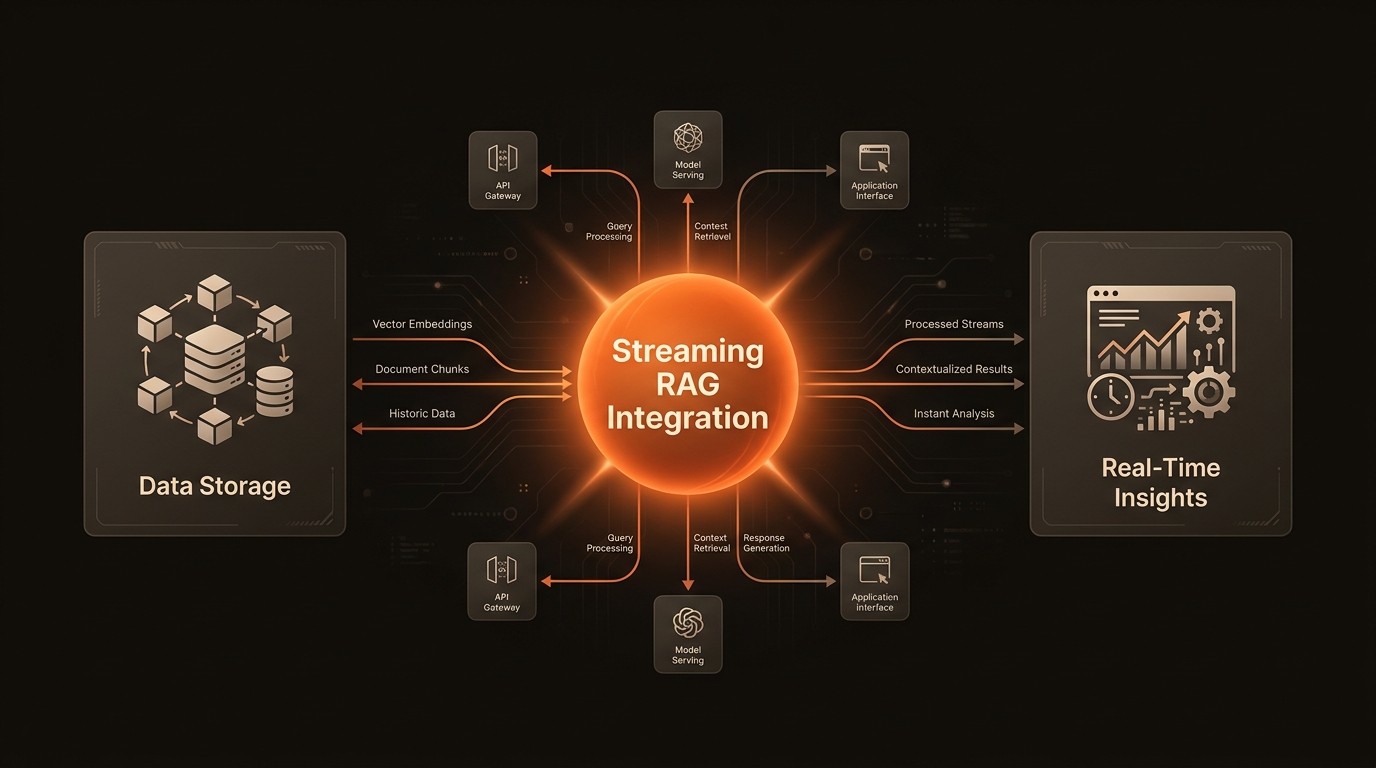
Streaming RAG enhances data retrieval by integrating advanced retrieval mechanisms with real-time data processing. This allows systems to access relevant information quickly, improving the accuracy and relevance of video analytics. For example, in a security application, Streaming RAG can retrieve and analyze footage from multiple cameras in real-time, providing comprehensive insights into potential threats. This capability can lead to a 30% improvement in operational efficiency, as highlighted by McKinsey.
Dynamic Contextual Analysis
One of the key benefits of Streaming RAG is its ability to perform dynamic contextual analysis. By continuously updating its understanding of the video content, the system can adapt to changes and provide more accurate insights. This is particularly useful in industries like retail, where customer behavior can change rapidly. By leveraging Streaming RAG, retailers can gain real-time insights into customer preferences and adjust their strategies accordingly.
Reduced Latency
Streaming RAG significantly reduces latency by processing data as it arrives. This ensures that insights are delivered in real-time, enabling timely decision-making. In the healthcare industry, for example, real-time video analytics can be used to monitor patient conditions and alert medical staff to any changes. This can lead to faster response times and improved patient outcomes.
Seamless Integration with Existing Systems
Streaming RAG can be seamlessly integrated with existing systems, allowing organizations to leverage their current infrastructure while enhancing their video analytics capabilities. By using VideoDB, organizations can store and retrieve video data efficiently, ensuring that their systems can handle the increased data load. This integration can lead to a 10-20% improvement in key business metrics, as noted by Gartner.
In Practice
Security and Surveillance
In the security and surveillance industry, real-time video analytics is crucial for identifying and responding to potential threats. By implementing Streaming RAG, security firms can analyze footage from multiple cameras in real-time, providing comprehensive insights into potential security breaches. This can lead to a 30% improvement in operational efficiency, as security personnel can respond more quickly to incidents.
Retail and Customer Insights
Retailers can use Streaming RAG to gain real-time insights into customer behavior and preferences. By analyzing video footage from in-store cameras, retailers can identify trends and adjust their marketing strategies accordingly. This can lead to increased sales and improved customer satisfaction, as retailers can tailor their offerings to meet customer needs.
Healthcare Monitoring
In the healthcare industry, real-time video analytics can be used to monitor patient conditions and alert medical staff to any changes. By implementing Streaming RAG, healthcare providers can gain real-time insights into patient health, enabling faster response times and improved patient outcomes. This can lead to better patient care and increased efficiency in healthcare delivery.
Industry Voices
Meta AI has explored the challenges of working with large-scale multimodal data, highlighting the importance of efficient retrieval and processing mechanisms for handling video and other high-dimensional inputs.
Andrew Ng, Founder of Landing AI, has emphasized the importance of building AI systems that can operate in real time and adapt to changing data, particularly in dynamic environments where timely and context-aware insights are critical.
Getting Started
Implementing Streaming RAG in your organization requires careful planning and execution. Here are five steps to get started:
Audit Current Workflows: Identify the top three time-consuming processes in your video analytics workflow. Document current processing times and error rates to establish a baseline for comparison after implementation.
Select the Right Tools: Choose the appropriate tools and technologies for your Streaming RAG implementation. Consider using VideoDB for efficient data storage and retrieval, ensuring that your system can handle the increased data load.
Develop a Data Integration Strategy: Plan how you will integrate real-time data with your existing systems. This may involve updating your infrastructure or implementing new data processing pipelines to ensure seamless integration.
Train Your Team: Ensure that your team is equipped with the necessary skills and knowledge to implement and manage Streaming RAG. Provide training on the new tools and technologies, and encourage collaboration between teams to facilitate a smooth transition.
Monitor and Optimize: Continuously monitor the performance of your Streaming RAG implementation and make adjustments as needed. Track key metrics to measure the impact on operational efficiency and business outcomes, and use this data to optimize your processes.
FAQ
Q: What is Streaming RAG?
A: Streaming RAG is a technology that combines retrieval-augmented generation with real-time data processing to enhance video analytics. It allows systems to access and analyze relevant information quickly, improving the accuracy and relevance of insights.
Q: How does Streaming RAG improve video analytics?
A: Streaming RAG improves video analytics by enabling dynamic contextual analysis and reducing latency. This ensures that insights are delivered in real-time, allowing for timely decision-making and improved operational efficiency.
Q: What industries can benefit from Streaming RAG?
A: Industries such as security and surveillance, retail, and healthcare can benefit from Streaming RAG. It provides real-time insights that can enhance decision-making and improve outcomes in these sectors.
Q: How can organizations integrate Streaming RAG with existing systems?
A: Organizations can integrate Streaming RAG with existing systems by using tools like VideoDB for efficient data storage and retrieval. This ensures that their systems can handle the increased data load and deliver real-time insights.
Q: What are the key benefits of Streaming RAG?
A: The key benefits of Streaming RAG include enhanced data retrieval, dynamic contextual analysis, reduced latency, and seamless integration with existing systems. These benefits lead to improved operational efficiency and better decision-making.
Key Takeaways
Streaming RAG enhances real-time video analytics by combining retrieval-augmented generation with streaming data.
The global video streaming market is projected to reach $149.34 billion by 2026, highlighting the growing demand for innovative solutions.
Real-time video analytics can improve operational efficiency by up to 30% in various industries.
Organizations using real-time data integration can expect a 10-20% improvement in key business metrics.
The market for AI in video analytics is expected to reach $23.9 billion by 2027, indicating significant investment in this technology.